
Uncategorized
Why are we taught to love one but eat the other?
Let’s play a serious game! Please ask yourself the following questions and answer honestly:
- Do you have a pet at home or previously had a pet that you loved dearly?
- Would you claim you love animals even if you don’t have a pet?
- Would you say you’ve owned or connected with animals that have their own personalities?
- Would you say that all animals can feel pain, physical or even emotional?
- Would you feel horrible inside if you witnessed someone else mistreat or hurt an animal in front of you?
- Would you feel an urge to stop them if you did?
If you answered YES to most of those previous questions – I am asking you to please continue reading with an open mind, an open heart, and to come from a place of kindness, compassion and love.
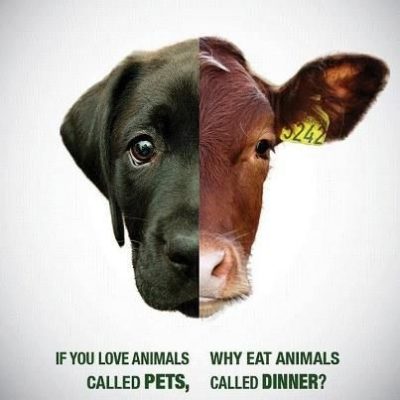
What I chose to write about today is something that is truly dear to my heart. I will explain what Speciesism really means and what we can do to stop contributing to this madness. Because we all know deep inside – that it’s absolutely WRONG! I will also touch on Veganism and how it all ties in together before furthering on the actions we can take and the changes we can make for a better and kinder World!
Do you already know what Speciesism means?
SPECIESISM: “An assumption or a belief of humans that all other species of animals are inferior and may therefore be used or exploited for human benefit, REGARDLESS of the suffering inflicted to those sentient beings”
Do any examples come to mind based on the above definition of speciesism? Let’s have a look together at all the different ways that we use and enslave animals for our own profit.
1- The FARMING INDUSTRY for the purpose of food production (MEAT & DAIRY)
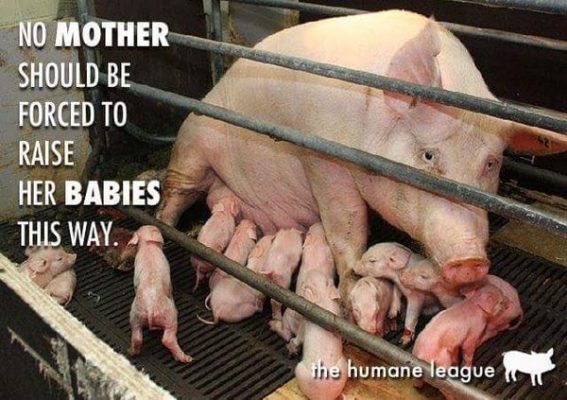
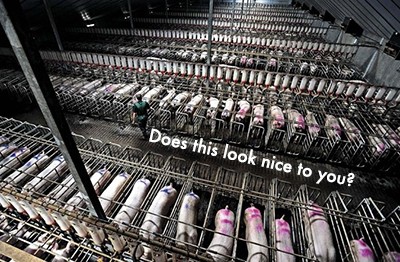
Intensive piggeries are a type of concentrated animal feeding operation specialized for the raising of domestic pigs up to slaughter weight.
In this system of pig production. grower pigs are housed indoors in group-housing or straw-lined sheds, whilst pregnant sows are confined in sow stalls (gestation crates) and give birth in farrowing crates. Many of the world’s largest producers of pigs (U.S. and Canada) use sow stalls, but some nations (e.g. the UK) and some US States (e.g. Florida and Arizona) have banned them. I wonder why?
Most domestic pig varieties are susceptible to heat stress, and all pigs lack sweat glands and cannot cool themselves. Pigs have a limited tolerance to high temperatures and heat stress can lead to death… If you don’t believe me, I invite you to go see for yourself! Join THE SAVE MOVEMENT group near you which you can find on any social media and go to an event where the activist join together to stop the trucks carrying animals to the slaughterhouse.
The Save Movement Home Page:
In case you are worried, it is peaceful. The people/activists give the animals as much water and love as they can during the 2 minutes they are allocated before the animals are sent to their death. You can find a PIG SAVE near you and specifically during the summer you will see for yourself how much sufferance piles up in those trucks for the pigs especially because of their lack of sweat glands as mentioned above.. The pigs are trying to get every last drop of water from the activists, most of them in really bad shape and others already dead and being stomped on in the background. It’s the kind of wrong that you wouldn’t even wish upon your worse enemy. They need you to witness this horror, speak up to them and to please take action!
To continue from my previous rant, piggeries are reliant on the grain industry. (GMO)
The intensive piggery system, where pigs are confined in individual stalls, allows each pig to be allotted a portion of feed. The individual feeding system also facilitates individual medication of pigs through feed, as the close proximity to other animals enables diseases to spread more rapidly. To prevent disease spreading and encourage growth, drug programs such as antibiotics, vitamins, hormones and other supplements are preemptively administered. Which humans then ingest from consuming the dead pig’s body tissues.
Piglets often receive range of treatments including castration, tail docking to reduce tail biting, teeth clipped (to reduce injuring their mother’s nipples and prevent later tusk growth) and their ears notched to assist identification. Treatments are usually made without pain killers. Weak runts may be slain shortly after birth.
Many countries have introduced laws to regulate treatment of farmed animals. In the USA, the federal Humane Slaughter Act[33]requires pigs to be stunned before slaughter, although compliance and enforcement is questioned. Humane slaughter…really?
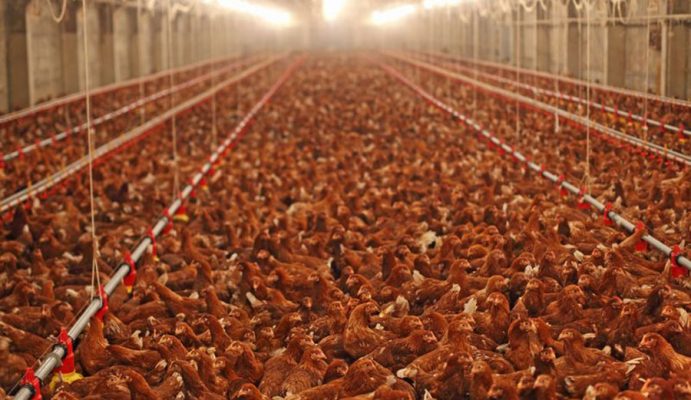
Chickens were raised primarily on family farms until 1965. Originally, the primary value in poultry was eggs, and meat was considered a byproduct of egg production.
Prior to about 1910, chicken was served primarily on special occasions or Sunday dinner. In the late 1950s, egg prices had fallen so dramatically that farmers typically tripled the number of hens they kept, putting three hens into what had been a single-bird cage or converting their floor-confinement houses from a single deck of roosts to triple-decker roosts.
By the late 1950s, poultry production had changed dramatically. Large farms and packing plants could grow birds by the tens of thousands. Chickens could be sent to slaughterhouses for butchering and processing into prepackaged commercial products to be frozen or shipped fresh to markets or wholesalers.
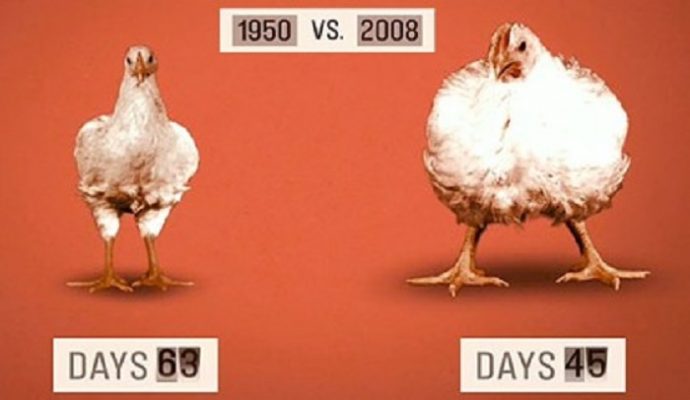
Meat-type chickens currently grow to market weight in six to seven weeks, whereas only fifty years ago it took three times as long.
Growing concerns over the cholesterol content of red meat in the 1980s and 1990s further resulted in increased consumption of chicken.
Now, chickens are exposed to artificial light cycles to stimulate egg production year-round. In addition, forced molting is commonly practiced. Forced molting, sometimes known as induced molting, is the practice by some poultry industries of artificially provoking a flock to molt simultaneously, typically by withdrawing food for 7–14 days and sometimes also withdrawing water for an extended period.
In 1900, average egg production was 83 eggs per hen per year. In 2000, it was well over 300. In the United States, laying hens are butchered after their second egg laying season.
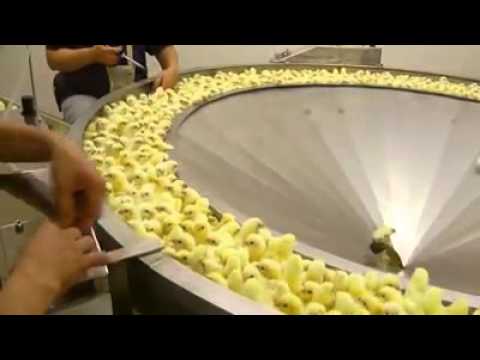
Males of the egg-type breeds have little commercial value at any age, and all those not used for breeding (roughly 50% of all egg-type chickens) are killed soon after hatching, most often grinded up alive.
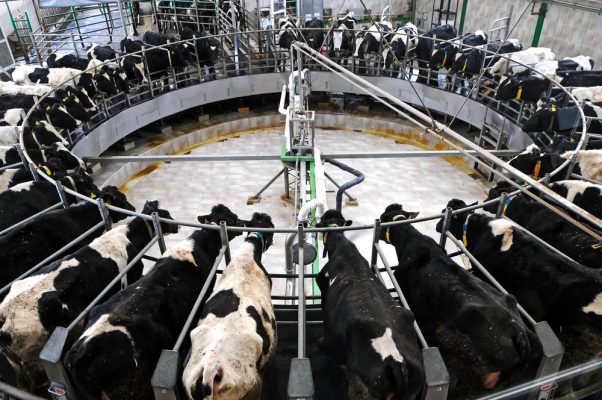
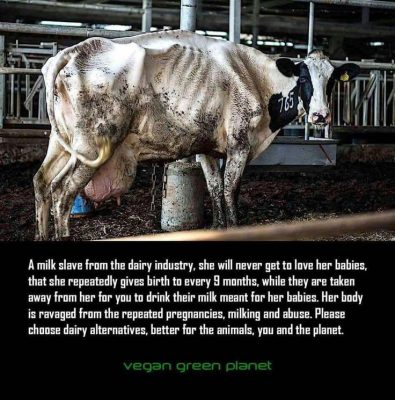
“Cattle” or I would say beautiful cows are raised as livestock for meat (called beef and veal), dairy products (milk), leather and as draught animals (pulling carts, plows and the like). In some countries, such as India, they are honored in religious ceremonies and revered.
The most common interactions with cattle involve daily feeding, cleaning and milking. Many routine husbandry practices involve ear tagging, dehorning, loading, medical operations, vaccinations and hoof care, as well as training for agricultural shows and preparations.
There are many potential impacts on human health due to the modern cattle industrial agriculture system. There are concerns surrounding the antibiotics and growth hormones used, increased E. Coli contamination, higher saturated fat contents in the meat because of the feed, and also environmental concerns
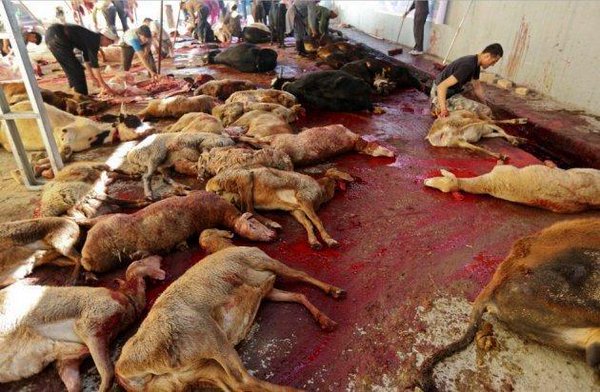
In the United States, farmed animals are excluded by half of all state animal cruelty laws including the federal Animal Welfare Act. The 28-hour law, enacted in 1873 and amended in 1994 states that when animals are being transported for slaughter, the vehicle must stop every 28 hours and the animals must be let out for exercise, food, and water. The United States Department of Agriculture claims that the law does not apply to birds. The Humane Methods of Livestock Slaughter Act is similarly limited. Originally passed in 1958, the Act requires that livestock be stunned into unconsciousness prior to slaughter. This Act also excludes birds, who make up more than 90 percent of the animals slaughtered for food, as well as rabbits and fish. Individual states all have their own animal cruelty statutes; however many states have a provision to exempt standard agricultural practices.[56] Factory farming is greatly debated throughout Australia, with many people disagreeing with the methods and ways in which the animals in factory farms are treated. Animals are often under stress from being kept in confined spaces and will attack each other. In an effort to prevent injury leading to infection, their beaks, tails and teeth are removed.[72][73]Many piglets will die of shock after having their teeth and tails removed, because painkilling medicines are not used in these operations. Factory farms are a popular way to gain space, with animals such as chickens being kept in extremely small spaces.
According to the U.S. Centers for Disease Control and Prevention (CDC), farms on which animals are intensively reared can cause adverse health reactions in farm workers. Workers may develop acute and chronic lung disease, musculoskeletal injuries, and may catch infections that transmit from animals to human beings (such as tuberculosis).
Pesticides are used to control organisms which are considered harmful and they save farmers money by preventing product losses to pests. In the US, about a quarter of pesticides used are used in houses, yards, parks, golf courses, and swimming pools and about 70% are used in agriculture. Pesticides can make their way into consumers’ bodies which can cause health problems. One source of this is bioaccumulation in animals raised on factory farms.
“Studies have discovered an increase in respiratory, neurobehavioral, and mental illnesses among the residents of communities next to factory farms.”
The CDC writes that chemical, bacterial, and viral compounds from animal waste may travel in the soil and water. Residents near such farms report problems such as unpleasant smell, flies and adverse health effects.
The CDC has identified a number of pollutants associated with the discharge of animal waste into rivers and lakes, and into the air. Antibiotic use in livestock may create antibiotic-resistant pathogens; parasites, bacteria, and viruses may be spread; ammonia, nitrogen, and phosphorus can reduce oxygen in surface waters and contaminate drinking water; pesticides and hormones may cause hormone-related changes in fish; animal feed and feathers may stunt the growth of desirable plants in surface waters and provide nutrients to disease-causing micro-organisms; trace elements such as arsenic and copper, which are harmful to human health, may contaminate surface waters.
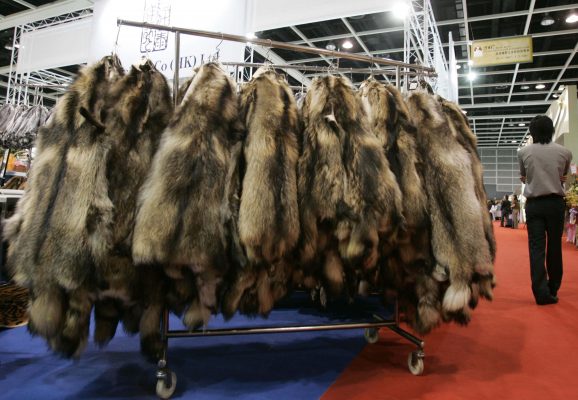
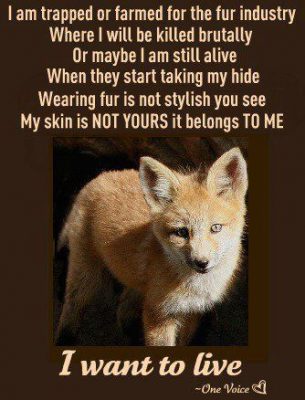
2- The FASHION INDUSTRY for the purpose of clothing and products (FUR & LEATHER)
Here is a quick link to watch to put it all in perspective:
https://www.plantbasednews.org/post/film-horror-fur-industry
3- The ENTERTAINMENT INDUSTRY for the purpose of amusement (ZOO’s & CIRCUSES)
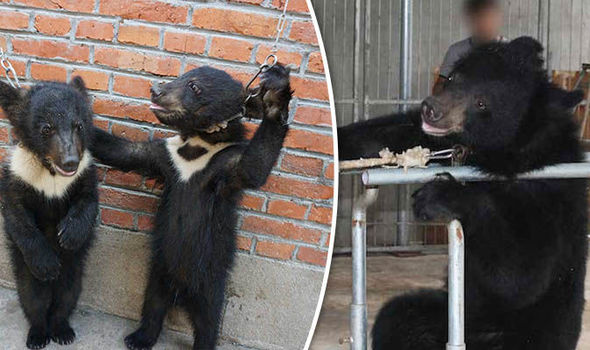
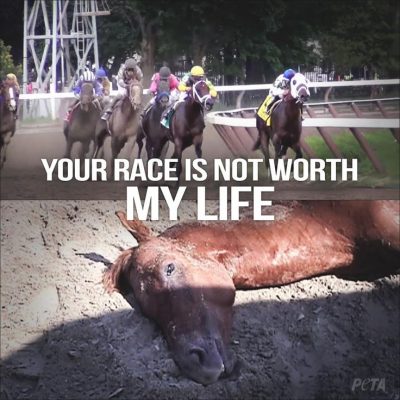
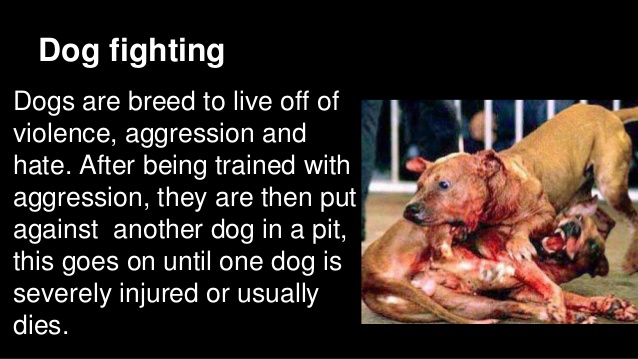
4- The GAMBLING INDUSTRY for the purpose of making more money (HORSE & DOG RACING – CHICKEN & DOG FIGHTING)
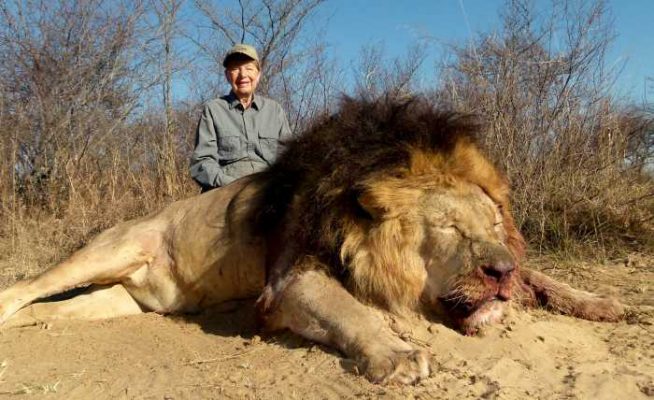
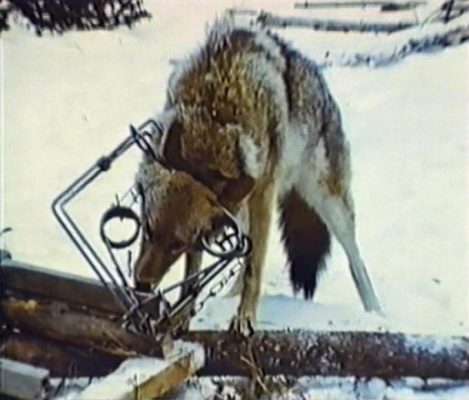
5- The SPORT INDUSTRY for the purpose of pleasure and/or food and/or skin/fur (HUNTING & FISHING & TRAPPING/POACHING)
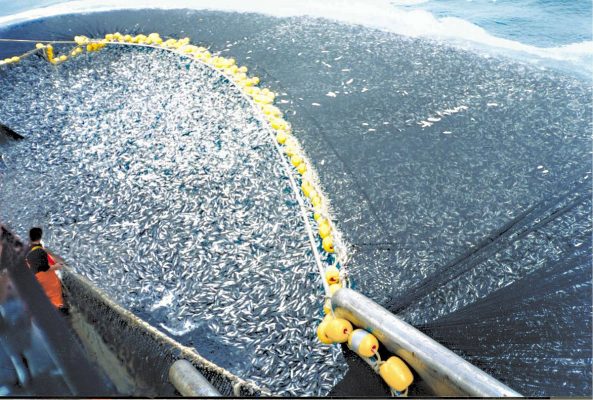
6- The FISHING INDUSTRY for the purpose of food and money (INDUSTRIAL FISHING)
Farmed fish are kept in concentrations never seen in the wild, e.g. 50,000 fish in a 2-acre, with each fish occupying less room than the average bathtub. This can cause several forms of pollution. Packed tightly, fish rub against each other and the sides of their cages, damaging their fins and tails and becoming sickened with various diseases and infections.
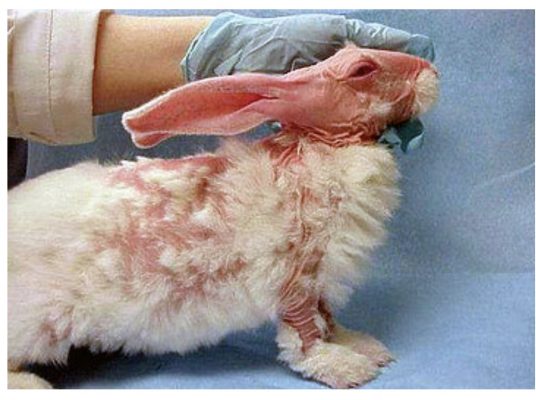
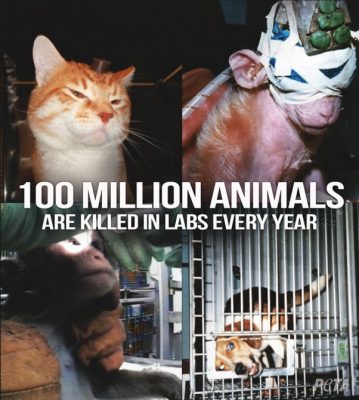
7- The COSMETIC INDUSTRY for the purpose of testing safety of chemical products (LABORATORY TESTING ON ANIMALS)
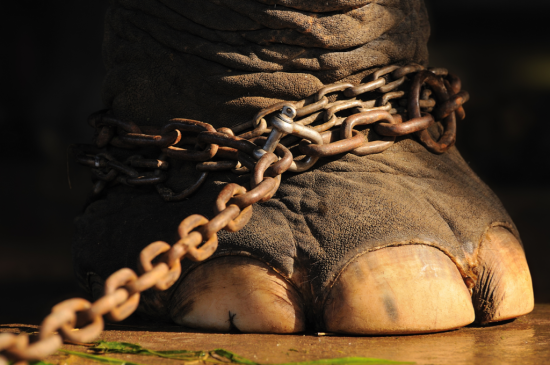
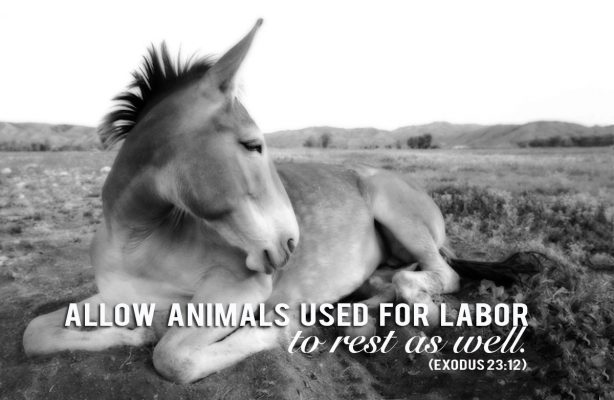
8- The TRANSPORTATION INDUSTRY for the purpose of cutting costs (LABOR ANIMALS like horses, donkeys, lama’s, and/or slay dogs, elephants…etc)
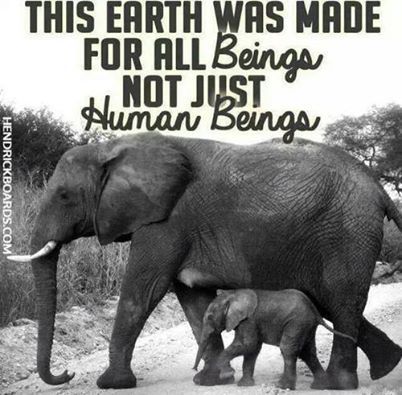
And unfortunately there are many more ways and examples I could give that show how badly we exploit innocent beings that just want to live their life without being enslaved.
DO YOU FEEL THAT THIS IS RIGHT?
Have you ever watched an animal die and felt good about it inside?
The reality of what is happening today to these poor souls is 1000 times more horrible that you would wish upon your worst enemy! What is going on behind closed doors is inhumane, cruel and simply NOT right! It is just another form of oppression that falls into the exact same categories as SEXISM and RACISM – only instead it is towards other sentient living beings and not only humans specifically.
To address my second point – HOW DOES VEGANISM TIE IN TO ALL THIS?
VEGANISM: “Veganism is a philosophy and a way of living which seeks to exclude, as far as possible and practicable, all forms of exploitation of, and cruelty to, animals for food, clothing, or any other purpose (as mentioned above); and by extension, promotes the development and use of animal-free alternatives for the benefit of humans, animals and the environment.”
VEGANISM IS THE CONTRARY BELIEF OF SPECIESISM.
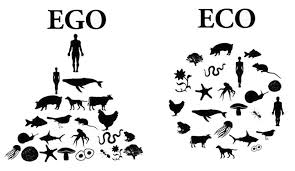
It means we fight together against injustices in this World that target all minorities, all vulnerable living beings; not only humans specifically.
Here is a quote from one of my favorite movies growing up:
“We must fear all evil people. But there is another kind of evil which we must fear most; and that is THE INDIFFERENCE OF GOOD PEOPLE”
Someone I came across recently which I also highly suggest you look at his YouTube channel and videos for inspiration, was Earthling Ed who came to Toronto to give an animal activism workshop. He told us a story that really resonated with me:
“There was a man at the end of the street that was beating a dog with a stick. As you got closer to him he hands you another stick and asks you if you want to help. There are 3 main scenarios:
1- You look around and realize that no one seems to care and no one is doing anything about it – you think to yourself it must be socially acceptable – so you take the stick and help him beat the dog. The dog dies.
2- You don’t need to look around because inside of you, you know it’s wrong so you don’t take the stick, you throw him a dirty look and keep walking. The dog still dies.
3- You know that this is absolutely wrong and you don’t take the stick but you also stop the man from beating the dog, and you either save him and keep him, or bring him to a local sanctuary where you know he will be safe. The dog lives happily ever after.
In scenario 1, you are compared to a meat eater. With all the information accessible a fingertip away and veganism growing as a movement, most people know that eating meat is unnecessary and that their own practices are cruel but since most are still doing it, they keep doing it. Just following the crowd, the majority for now.
In scenario 2, you are compared to a vegan. Someone who knows it’s wrong, takes the right decision to stop for themselves but doesn’t do activism – does nothing else to educate the rest of the people around them to stop the madness from happening.
In scenario 3, you are compared to an animal activist. You know it’s wrong, you stopped doing it yourself and you fully encourage and support others to do the same. It’s a part of your life and it’s in your duty once you know the truth.
What this all means to me is THAT WE HAVE A CHOICE. The choice not to remain indifferent to the suffering of billions of living beings that want and deserve to live as much as we do. Hopefully, after reading all of this today, you will choose to make an educated decision and START TAKING ACTION, because APPLIED KNOWLEDGE IS POWER.
To conclude, please look at the following actions you can start implementing today. I realize that this might not happen over night, it didn’t for me, it took time until I made the full circle connection and stopped making excuses! The importance is that you do it, and you do it to the best of your capability with the information you have.
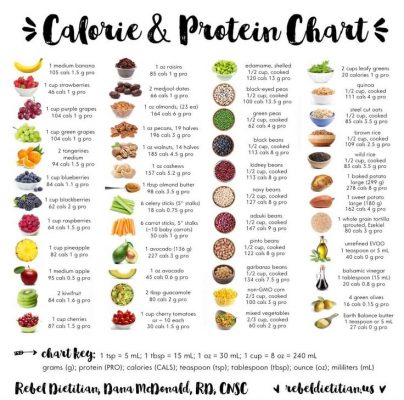
1- You can start by adding more plant-based wholefoods to your diet. The 22 Day Vegan Challenge has a great support system and sends recipes in your inbox everyday. Just go to the Animal Activism Page of my Website and you will find the link. REGISTER TODAY!
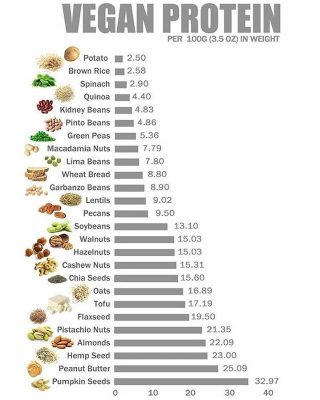
2- Choose to purchase CRUELTY-FREE clothes and products. Clothes without fur, leather or down. Products that haven’t been tested on animals. DON’T BE AFRAID TO ASK. It is your right to know!
3- Make a pact with yourself today to NEVER AGAIN go to a zoo, or circus or any show that utilizes animals for the sheer purpose of entertainment.
4- SPREAD AWARENESS to those around you. Motivate yourself to do more research even if it might hurt inside…
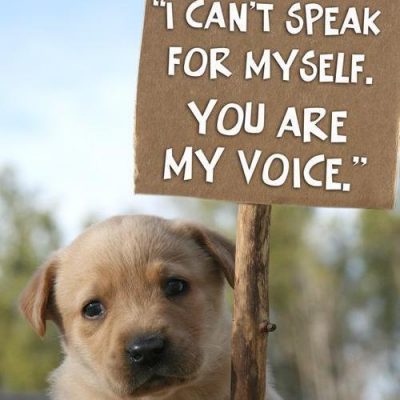
Almost 7 years ago now, I was just like you. Encouraging and contributing to every form of animal abuse without even realizing it. I used to turn my eyes when the same pictures I posted today above appeared because I could NOT face the TRUTH. But I finally decided ENOUGH IS ENOUGH! I will not live ignorant any longer and I hope you won’t either!
Animal Rights has become a calling for me. To speak on behalf of those you cannot speak for themselves. But they sure as hell can cry, scream, feel pain, and fight till the end to try and survive.
Do you feel GRATEFUL to be alive today? Unlike the thousands of animals that were slaughtered today while I sat here and wrote this.
Are you THANKFUL to have a choice? All it is, is a CHOICE. The choice to do one thing over another. The choice to buy beans instead of meat. The choice to buy warm clothing with fake fur instead of real fur. The choice to treat others around with LOVE & COMPASSION – the same way you want to be treated!
Thank you so much for taking the time to read. If this resonates with you and if you have any questions, please feel free to visit my website, follow me on Instagram and/or Facebook and don’t hesitate to contact me. I will be sure to follow up with you and assist you as best I can on your journey to a better Karmic Higher you, and an overall kinder World. As Gandhi once said: “BE THE CHANGE YOU WISH TO SEE”!! <3

